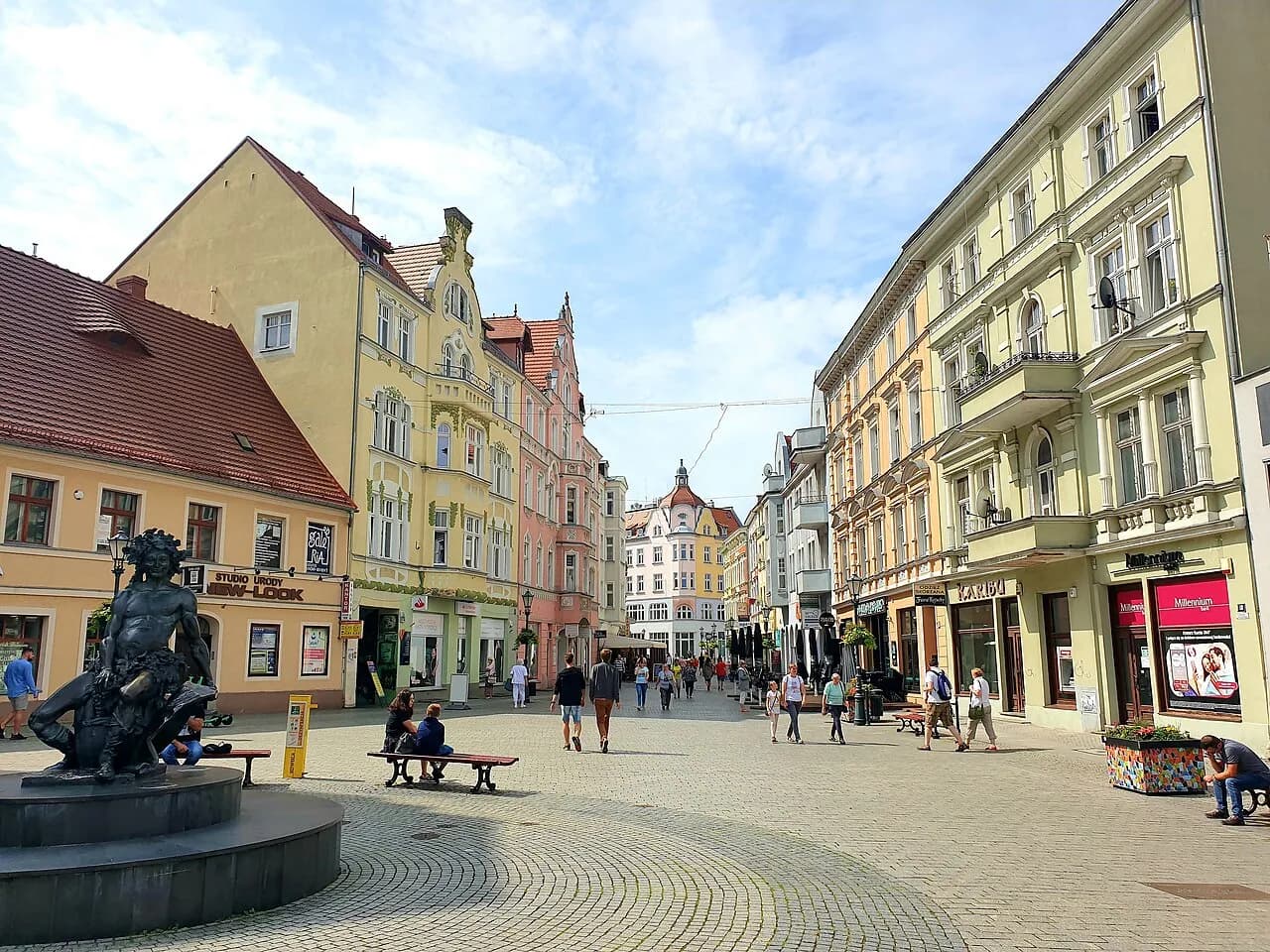
Long before craft breweries and artisan vineyards became fashionable across Europe, Zielona Góra was already producing wines that earned recognition well beyond its borders. Today, visitors strolling through the colourful streets of the Old Town may be surprised to discover that this welcoming city in western Poland has one of the oldest continuous wine traditions in Central Europe.
Surrounded by wooded hills, vineyards and picturesque countryside, Zielona Góra occupies a unique place on the map of Poland. It is the country's recognised wine capital, home to the famous Winobranie Festival and the centre of a winemaking tradition stretching back almost 900 years. Combined with its rich history, attractive architecture and growing cultural scene, the city offers far more than many first-time visitors expect.
For residents, wine is more than a product. It is part of the city's identity, reflected in local traditions, public art, annual celebrations and a landscape that has shaped generations of families. It is this enduring relationship between people, place and history that gives Zielona Góra its distinctive character.
Where the Story Begins
Although archaeological evidence suggests vines may have been cultivated in the wider Lubusz region as early as the 10th century, Zielona Góra's recognised wine history dates from around 1150 AD. Settlers from Flanders and Wallonia are widely believed to have introduced organised viticulture to the area, recognising that the south-facing hills surrounding the settlement provided favourable growing conditions.
The city itself grew steadily during the Middle Ages, receiving town rights in the 14th century. As trade expanded across Central Europe, vineyards became an increasingly important part of the local economy.
Unlike many areas of Poland, where grain farming dominated, Zielona Góra developed a reputation built upon wine production. The surrounding hillsides became lined with vineyards, while wine cellars were constructed beneath homes and businesses throughout the town.
Even today, that history remains visible in the city's layout, architecture and traditions.
The Lubusz Region: Poland's Unexpected Wine Country
For many visitors, discovering that Poland has a wine region comes as a surprise.
Yet the Lubusz region offers a combination of rolling hills, relatively mild weather and fertile soils that has supported viticulture for centuries. Often described as Europe's northernmost historic wine-growing area, the region demonstrates how local knowledge and careful cultivation have overcome the challenges of climate.
Neighbouring villages including Górzykowo, Zabór and Łaz continue to cultivate vineyards today, contributing to a growing network of family-owned wineries that are helping Polish wine gain increasing international recognition.
Traditional grape varieties such as Riesling, Silvaner and Müller-Thurgau have long flourished here, while modern vineyards are also experimenting with newer varieties suited to changing conditions.
Together they continue a tradition that links medieval growers with today's independent winemakers.
A City Built on Wine
By the 19th century, Zielona Góra had entered what many historians describe as its golden age of winemaking.
Around 1890, vineyards covered approximately 1,400 hectares surrounding the city. Wine merchants prospered, new processing facilities were established and local production expanded beyond still wines.
Perhaps the most famous name from this period was Grempler & Co., whose pioneering sparkling wines challenged the long-held dominance of French producers. Using traditional production methods, the company established an international reputation that placed Zielona Góra firmly on Europe's wine map.
This period also transformed the city itself.
Elegant villas appeared alongside prosperous merchants' houses, while wine cellars expanded beneath many streets. Commercial success encouraged investment in public buildings, education and civic life, helping shape much of the attractive city centre visitors enjoy today.
Historic Landmarks That Tell Zielona Góra's Story
One of the best introductions to the city's heritage is a walk through the compact Old Town.
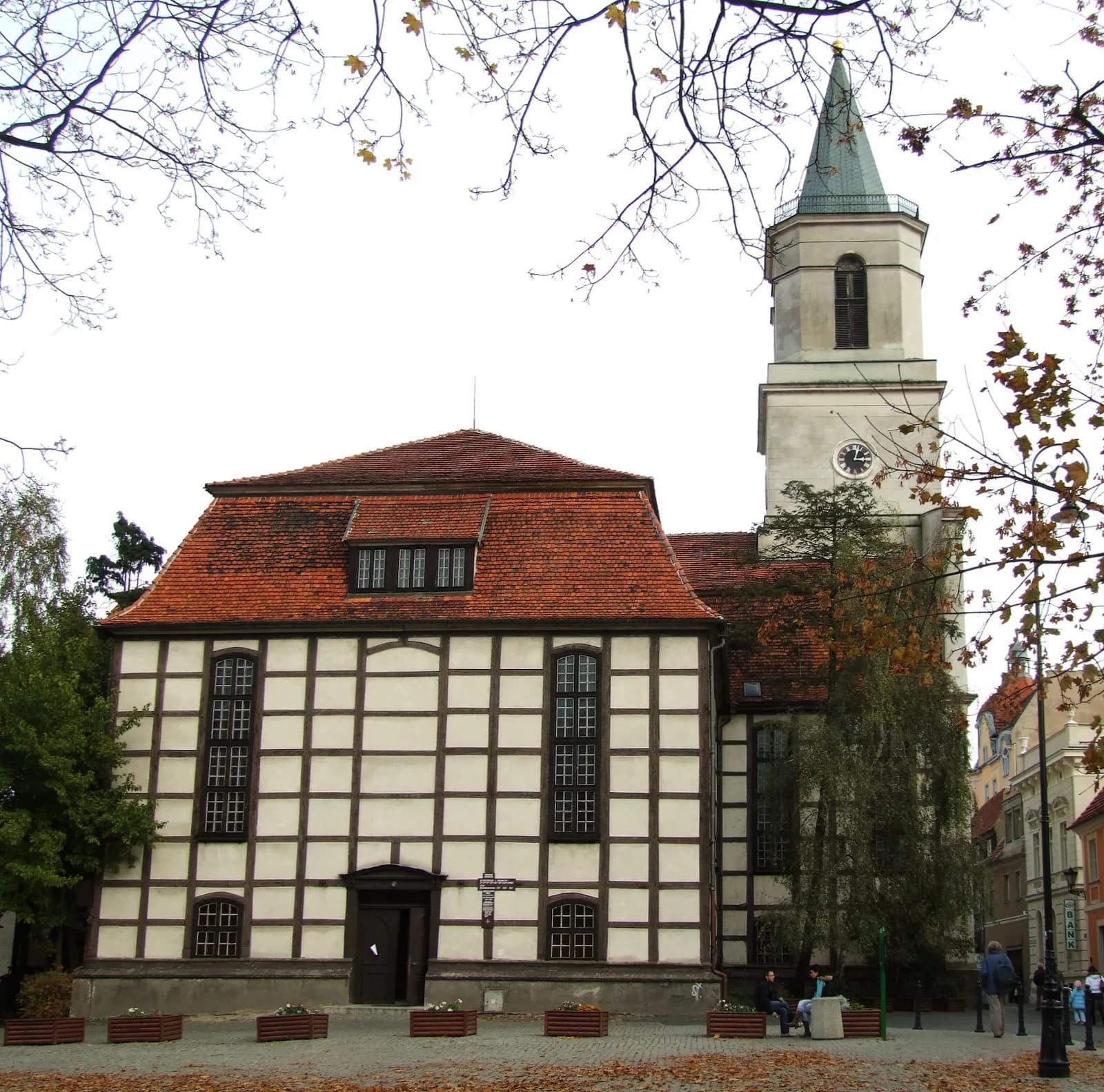
Colourful façades surround Stary Rynek, where cafés, restaurants and independent businesses occupy beautifully restored buildings. Just a short stroll away, visitors encounter charming squares, historic churches and public art celebrating the city's wine heritage.
Perhaps the most recognisable landmark is Wine Hill (Wzgórze Winne), crowned by the distinctive Palm House (Palmiarnia Zielonogórska).
Originally constructed around a historic wine house dating from 1818, the Palm House has become one of Zielona Góra's defining attractions. From its terrace, panoramic views stretch across the city skyline and surrounding forests, offering one of the finest viewpoints in the Lubusz region.
Nearby, the Lubusz Museum's Wine Museum explores centuries of local viticulture through historic equipment, documents and exhibits that illustrate how deeply wine has influenced everyday life in Zielona Góra.
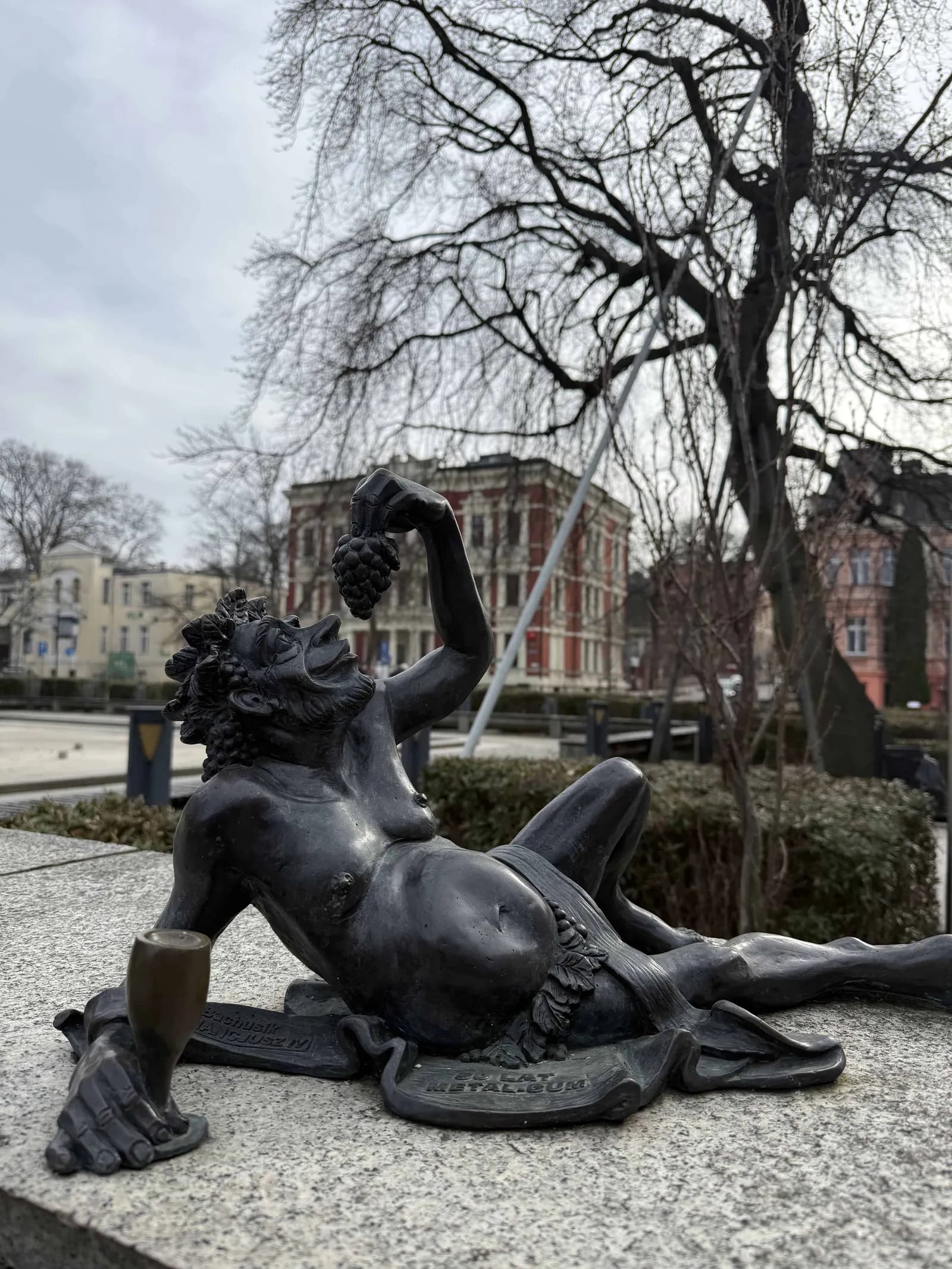
The city's famous Bachus figures, small bronze statues hidden throughout the centre, add another playful dimension to exploring its streets. Inspired by the Roman god of wine, these sculptures encourage visitors to discover quieter corners while reinforcing the city's unique identity.
Challenges That Nearly Ended a Tradition
Like much of Central Europe, Zielona Góra has experienced periods of remarkable prosperity alongside significant hardship.
The Thirty Years' War disrupted trade. Harsh winters repeatedly damaged vineyards. Plant diseases and changing markets tested local growers throughout the centuries.
Following the Second World War, dramatic political and economic changes reshaped the city once again. Under the centrally planned economy of communist Poland, traditional vineyard culture declined significantly, while agricultural priorities shifted away from smaller private producers.
By the 1950s, many believed commercial winemaking in the region might disappear altogether.
Instead, local determination ensured its survival.
During the late twentieth century, renewed interest in traditional viticulture encouraged the establishment of new vineyards, investment in research and greater recognition of the Lubusz region's historic importance.
Today, that revival continues to gather momentum.
Winobranie: The Festival That Brings the City Together
If there is one event that captures the spirit of Zielona Góra, it is Winobranie.
Held every September, the Grape Harvest Festival transforms the city into one of Poland's largest open-air celebrations. Streets fill with concerts, artisan markets, cultural performances, food stalls and wine producers welcoming thousands of visitors from across Poland and beyond.
The symbolic handing over of the city keys to Bacchus marks the beginning of festivities, continuing a tradition dating back to the nineteenth century.
For residents, Winobranie is about much more than wine.
It celebrates community, history, local businesses and the enduring pride people have in their city. Schools, cultural organisations, artists and community groups all contribute, creating an atmosphere that reflects Zielona Góra at its most welcoming.
More Than Poland's Wine Capital
Although wine remains its defining story, modern Zielona Góra has evolved into a vibrant regional centre.
Its universities, theatres, galleries and festivals support a lively cultural calendar throughout the year, while extensive parks and forests give the city an unusually green character. Walking and cycling routes connect urban neighbourhoods with nearby vineyards, making nature an everyday part of local life.
The city's location close to the German border also places it at the crossroads of Polish and European influences. This has helped shape its architecture, cuisine and commercial links while reinforcing its role as one of western Poland's most outward-looking cities.
Increasingly, visitors are discovering Zielona Góra not simply as a destination for wine enthusiasts, but as a city where history, culture and quality of life come together naturally.
Why Zielona Góra Matters Today
In an era when many European cities are searching for ways to preserve their heritage while embracing the future, Zielona Góra offers an inspiring example.
Its vineyards have survived wars, economic change and challenging climates. Rather than becoming museum pieces, they continue to evolve through new generations of growers who respect centuries of knowledge while looking ahead.
For visitors, the city offers the chance to experience a lesser-known side of Poland that combines medieval history, outstanding local food, beautiful landscapes and a genuine sense of community.
For residents, it remains a place where tradition is not confined to history books. It is woven into everyday life, from neighbourhood wine cellars and family vineyards to festivals that fill the streets every autumn.
Nearly nine centuries after the first vines were planted on the hills surrounding the city, Zielona Góra continues to prove that heritage is strongest when it is lived rather than simply remembered.